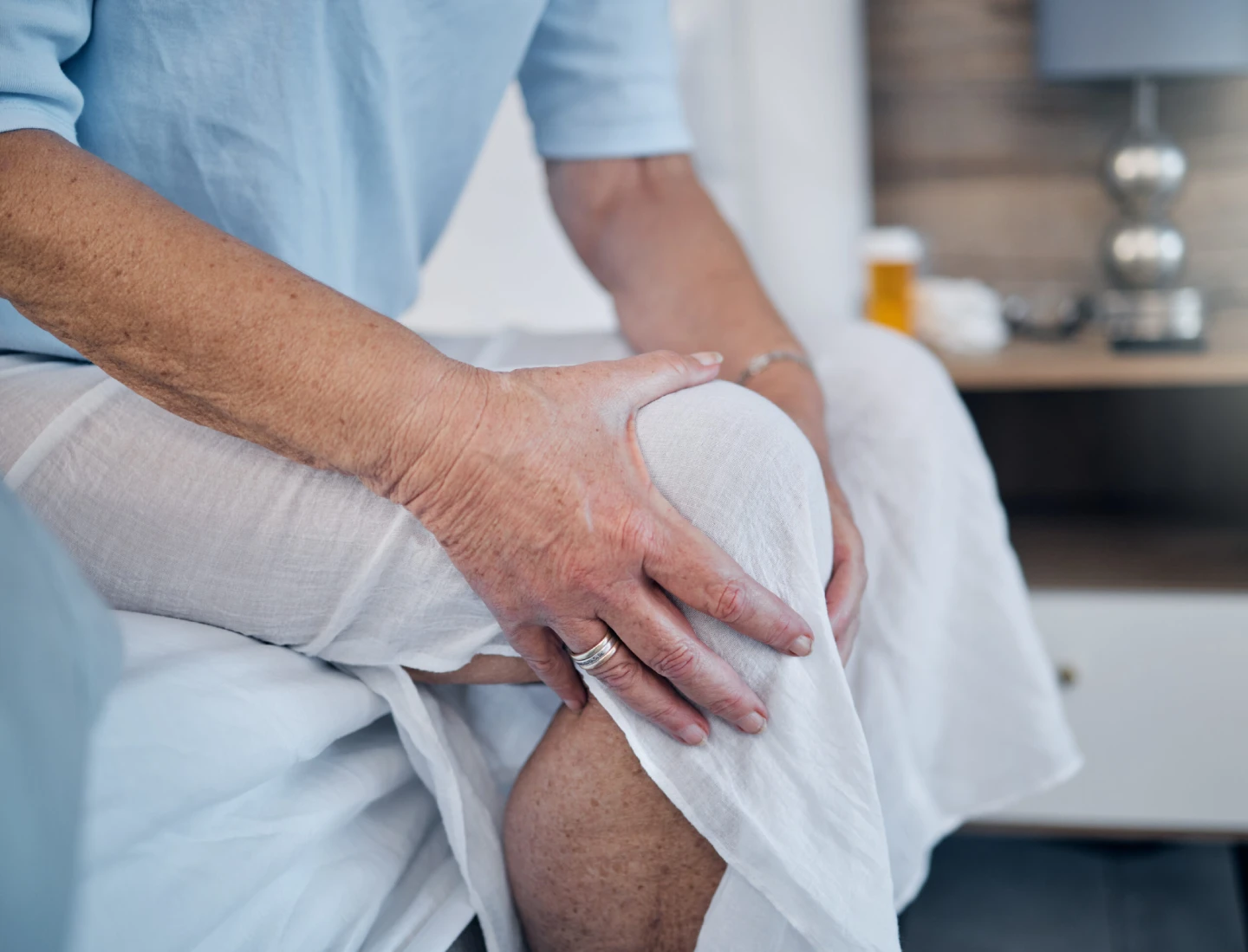
Yes, research studies suggest physiotherapy after knee replacement is crucial for steady and efficient post-surgical rehabilitation. Knee replacement surgery, partial or total, is a highly complicated procedure. Recovery can take time and is often interrupted by post-surgical complications, such as muscle stiffness and recurring pain. This is where physiotherapy comes into play. It helps you deal with the side effects of surgery, such as muscle stiffness, loss of mobility and recurring pain. Physiotherapy not only optimizes your recovery but also facilitates your reintegration into daily life.
In this blog, you will learn why physiotherapy is essential for knee replacement recovery and what to expect from the entire process. This will help you understand the recovery timeline after surgery and how physio exercises can influence it.
Key Takeaways for Physiotherapy After Knee Replacement
- Why is physiotherapy an integral part of recovery after knee replacement surgery?
- What to expect from your physiotherapy sessions?
- How does physiotherapy influence the recovery timeline?
- When should one start physiotherapy after knee replacement surgery?
Why Should You Do Physiotherapy After Knee Replacement?
Restoring Knee Mobility
Muscle stiffness is one of the most common side effects of knee replacement surgery. Patients may find it hard to move the knee or the entire leg altogether due to the stiffness. Physiotherapy can help prevent this stiffness by improving blood circulation and preventing scar tissue formation. Guided exercises can help improve your range of motion, empowering you to return to daily activities confidently.
Reducing Pain and Swelling
Pain and swelling are common after knee surgery, often persisting for a few months. This occurs because your body needs time to heal after such a complicated surgery. You can, however, control your pain and reduce the swelling through physical therapy rehabilitation after knee replacement. Physical therapists may use gentle manual therapies and cold therapy to reduce these symptoms.
Improving Strength and Stability
Your body just underwent a major surgery. So, it is normal to feel weakness in the knee muscles and joints. The recovery happens slowly due to the complications involved in the surgery. Physical rehabilitation, however, speeds up the process. Targeted exercises can strengthen the affected joints and muscles, facilitating your return to daily activities confidently.
Regaining Independence in Daily Activities
Knee replacement surgery can result in a temporary loss of functional independence. Muscles and joints may become stiff, delaying the recovery and preventing you from regaining an optimal range of motion after knee replacement. Physical rehabilitation focuses on restoring your strength and functional movement through exercises, manual therapy and electrotherapy.
When Should Physiotherapy Treatment Begin After Knee Replacement?
It typically varies from person to person, depending on your individual recovery needs. Your doctor and physiotherapist can provide you with an approximate recovery timeline after assessing your symptoms. You may have to rely on assistive devices for a while after the surgery to maintain balance and prevent re-injury. Here is a general recovery timeline for when you do physiotherapy after a knee replacement.
Recovery During the First 24-48 Hours
The first few days after the surgery usually require substantial rest but not complete prolonged inactivity. As mentioned earlier, you just went through a major surgery. Your body needs rest. Your doctor/physiotherapist may visit you in the hospital and provide you with lifestyle and exercise-related tips. They can tell you what exercises to perform, when to start them and what to expect from the overall process.
This step can focus on reducing your pain and swelling, both of which are very common after knee replacement surgery. The physiotherapist may use electrotherapy, gentle manual therapy or cold therapy to reduce your inflammation. It prepares the affected joints and muscles to actively participate in the rehabilitation journey and regain their optimal strength.
Early Rehabilitation Phase (Weeks 1-3)
Once your pain and swelling subside, the physiotherapist may introduce you to gentle guided exercises that improve range of motion and knee flexibility. Muscle stiffness is a common consequence that makes walking difficult after surgery. Physical therapy, however, helps strengthen the muscles and joints. Your physio may ask you to perform simple ROM exercises like leg raises, ankle pumps and resistance exercises. The goal of this step is to improve your range of motion and balance.
Intermediate Recovery Phase (Weeks 4-8)
The goal of this recovery stage is to get you back to your active lifestyle without overdoing it. The physiotherapist may guide you to return to your daily activities so you don’t hurt yourself. Your physiotherapist may increase the intensity of your exercises or change the regimen. They may introduce more low-impact activities into your routine, such as swimming, long walks or riding stationary bikes. The goal is to help you return to basic household activities and office jobs that do not involve heavy mechanical stressful movements.
Advanced Recovery Phase (Weeks 8-12+)
By this stage, you may be able to perform most of your daily household chores with ease. However, your body may still be unprepared for high-impact activities or sports. The physiotherapist may guide you through more exercises to further improve your ROM, helping you restore optimal functional movement.
What are the Best Post-Knee Replacement Exercises?
The goal of physiotherapy exercises is to restore your optimal functional movement. These improve the core strength, which in turn enhances your function. Physical therapists provide a customized exercise regimen while addressing your specific recovery needs. Here is a general list of exercises suitable for physiotherapy after knee replacement.
Note: Consult with your physiotherapist to know the right exercises for your specific health condition. Doing the wrong exercise can do more harm than good.
- Ankle Pumps
- Heel Slides
- Straight Leg Raises
- Quadriceps Sets
- Knee Bends
- Stationary Cycling
Important Note: Always perform exercises under the guidance of a qualified healthcare professional.
| Exercise | Primary Benefit |
| Ankle Pumps | Improve circulation and reduce swelling |
| Heel Slides | Increase knee flexibility |
| Straight Leg Raises | Strengthen quadriceps muscles |
| Quadriceps Sets | Improve knee stability |
| Knee Bends | Restore range of motion |
| Stationary Cycling | Improve mobility and endurance |
What Challenges Can Patients Experience During Knee Replacement Recovery?
Pain and Swelling
People often report pain and swelling in the early stages of recovery after knee replacement. These are usually normal and reflect the way your body reacts to the major surgery. Pain may increase temporarily after physiotherapy sessions. However, with the right exercises and pain management, the symptoms can subside.
Stiffness in the Knee
Many people feel stiffness in the affected knee, especially in the first few weeks after the surgery. The formation of scar tissue is often the reason behind this stiffness. With consistent physiotherapy, however, you can get over the stiffness and improve your knee’s range of motion.
Difficulty Walking
Pain, swelling and stiffness make it difficult to walk after knee replacement surgery. But prolonged inactivity is not advisable either because it can lead to further stiffness. Some people may need assistive devices to gradually walk independently.
Fear of Movement
The weakness and stiffness can take a toll on your confidence about movement after knee replacement surgery. Physiotherapists can help patients understand the recovery timeline and regain confidence in daily activities.
When Should You Contact Your Physiotherapist?
As mentioned earlier, knee replacement surgery is a major one. It takes a heavy toll on people’s bodies and minds. Slight discomfort and temporary stiffness are normal after this surgery. These symptoms may fade away with guided rehabilitation.
However, you should immediately contact your physiotherapist if you notice the following symptoms:
- Severe swelling- Sudden swelling that doesn’t improve with time or rehabilitation may require further assessment.
- Persistent pain- If the pain keeps coming back despite your treatments, get in touch with your nearest physio.
- Signs of infection: It may include redness around the incision, warmth, fever or a foul odour.
- Difficulty bearing weight- seek professional help if you are suddenly unable to put weight on the operated leg.
Get Expert Physiotherapy Care After Knee Replacement
Physiotherapy accelerates the recovery process after total or partial knee replacement surgery. It uses personalized non-invasive modalities like exercises, manual therapy and electrotherapy to get the recovery going despite the challenges of post-surgical recovery. Physiotherapists work with you to help reduce pain, improve range of motion, restore strength, enhance balance, and support a safe return to daily activities.
Recovery is a gradual process. Every patient heals differently. Physiotherapy focuses on improving your long-term growth and your optimal range of motion.
At Physiotherapy First, we customize physiotherapy services in Brampton to support you at every stage of your rehabilitation journey. For post-surgical patients, we provide one-on-one attention and personalized treatment plans, tailored to your specific goals.
Ready to take the next step in your recovery? Contact Physiotherapy First today to book an appointment or speak with our team.