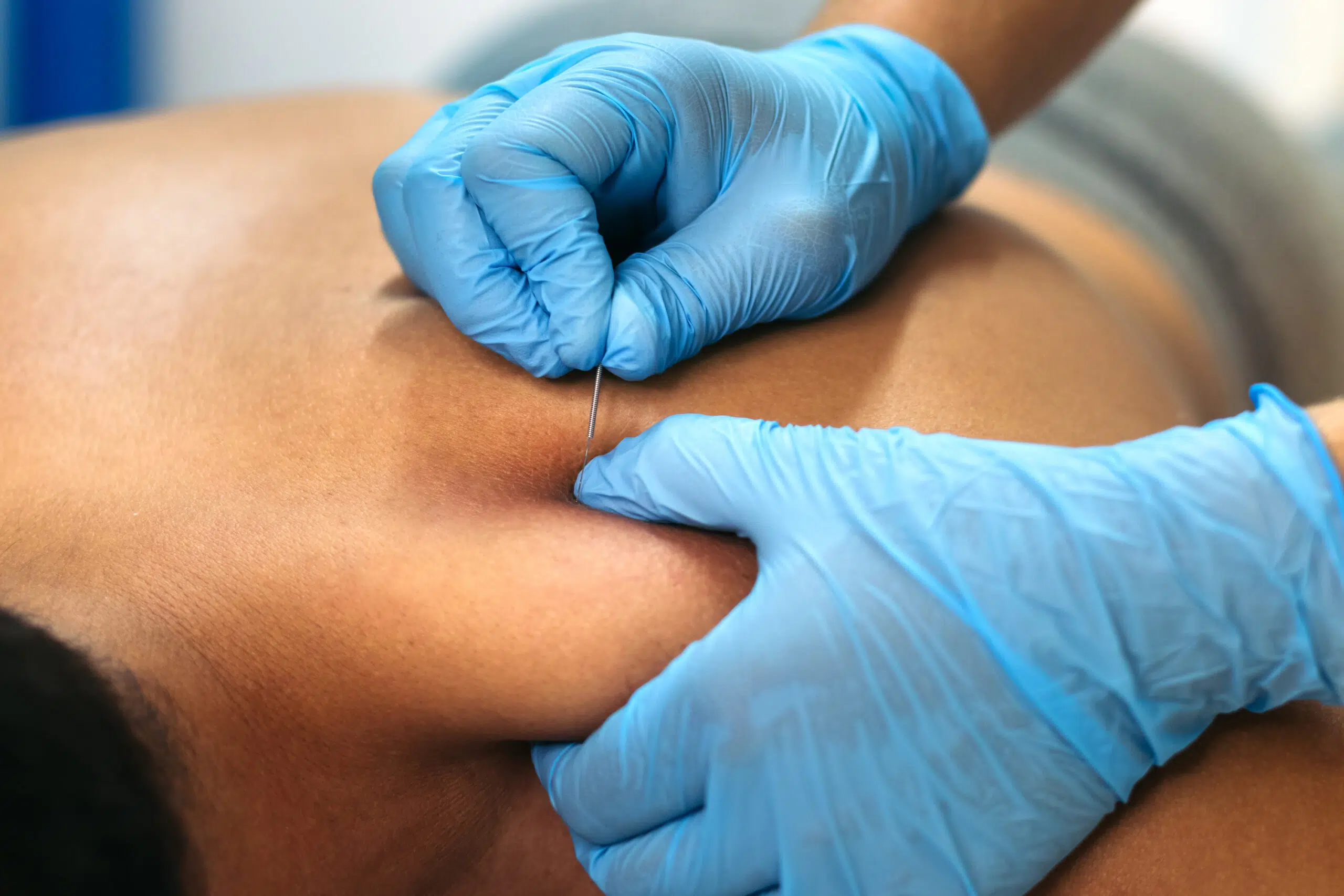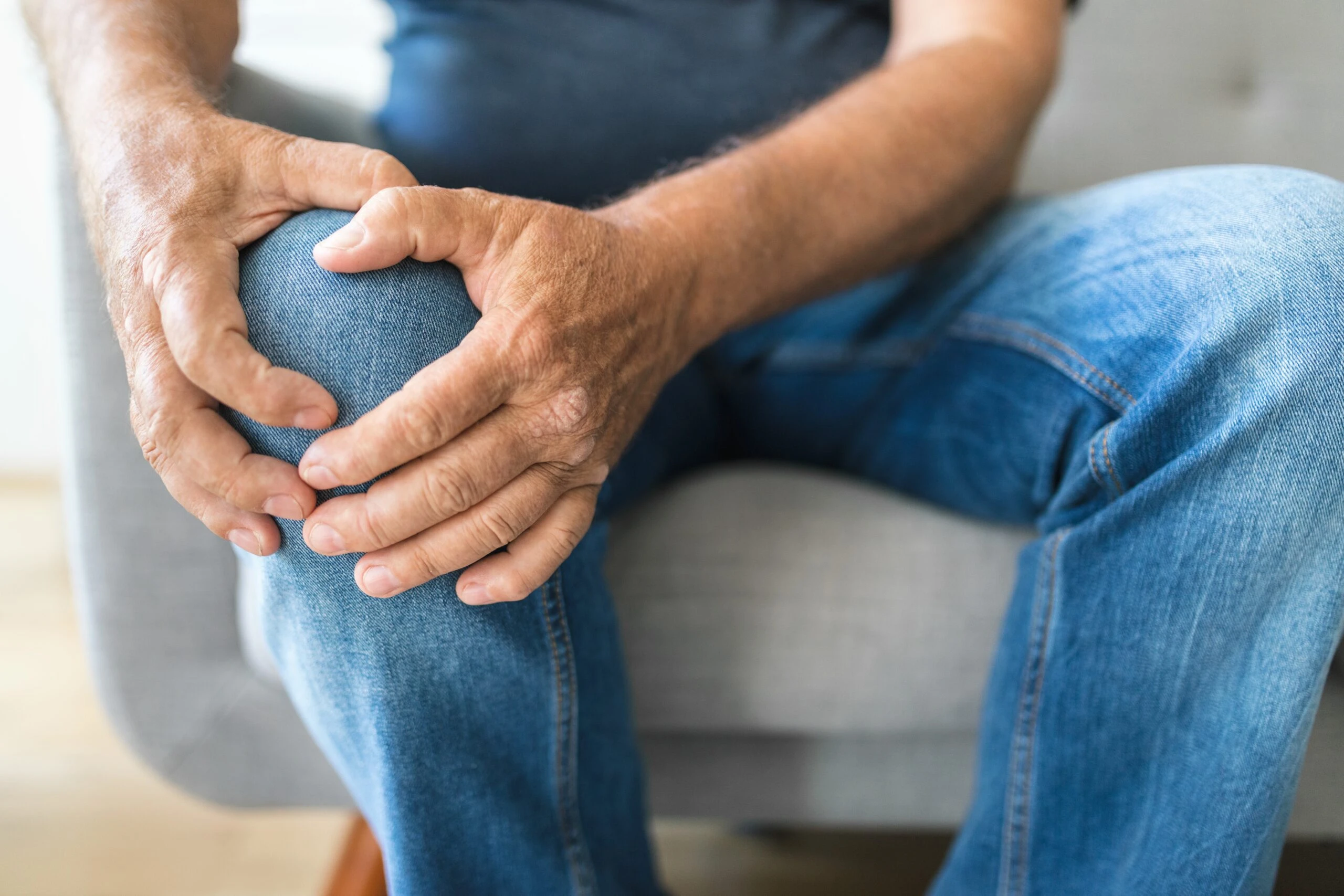
Joint stiffness is one of the most common symptoms of Osteoarthritis (OA). If you have been struggling to move a specific bone or joint in your body which was otherwise quite easy, you may be curious about what’s happening and what you can do about it. Joint stiffness is basically when you are unable to move your joints through their full range of motion, which interferes with your daily activities. Whether you climb stairs or get up after sitting for too long, you experience the stiffness. This blog explains how osteoarthritis causes joint stiffness and how you can manage it, so you can become more aware of the condition.
What Happens to a Joint With Osteoarthritis?
Osteoarthritis usually affects the joints of the hands, knees, hips and neck. When it affects a specific joint, the condition causes the cartilage and the underlying bone & tissues to break down. This further weakens the joint and makes even basic movements difficult.
Let’s take a look at the anatomical & physiological changes an osteoarthritic joint goes through.
Changes to the Cartilage
The primary role of cartilage is to protect the joint and make it function the way they are supposed to. It wears several hats, such as a shock absorber or a natural lubricant. Osteoarthritis causes this cartilage to break down progressively with time. The ‘wear and tear’ of cartilage just begins in the mild stage of osteoarthritis. As it wears down even more, the surface of the bones becomes more exposed to each other, which could lead to pain & stiffness in the joint.
Changes to the Bone and Other Joint Tissues
As the cartilage protecting the joint starts wearing down, the underlying bone gets significantly exposed to mechanical stress. It can also cause the bones to grind against one another. Extra areas of bone (bone spurs) may form along the edges of the joint. The tissue lining the inside of the joint may become inflamed and irritated.
Why Does Osteoarthritis Cause Joint Stiffness?
You may experience joint stiffness from osteoarthritis as the condition causes changes within the joint structures, leads to inflammation and weakens the surrounding muscles. Every factor here plays a crucial role in contributing to stiffness in osteoarthritis. Let’s see how.
Structural changes within the joint
The main reason osteoarthritis causes stiffness is cartilage breakdown. The wear and tear of the cartilage between the joints makes them more exposed to each other. The chances of the bones grinding against each other increase, which causes pain, limited mobility and inflammation. When you try to move the affected joint, it can feel very uncomfortable and even painful due to the lack of enough cartilage.
Inflammation can contribute to stiffness
Osteoarthritis can cause swelling of the soft tissues around the joint and the joint lining. This can lead to inflammation within the joint, contributing to pain and stiffness. Inflammation can occur in the joint lining (synovium), increasing fluid build-up and swelling inside the joint, which can restrict movement. The tissues around the osteoarthritic joint can thicken, reducing normal flexibility and contributing to stiffness.
Swelling can restrict movement
Osteoarthritis can cause random swelling within the affected joint, whether it’s the knees or the feet, making movement difficult. The swelling may take weeks to go away and interfere with your basic routine activities such as walking. The swelling can happen inside or outside the joint, making the surrounding muscles feel overly tight and making it difficult to move them freely.
Muscle weakness can make joint movement harder
Osteoarthritis causes pain in the joints. This pain can make people refrain from performing the basic movements that they otherwise could do easily. While it can look like the right thing to do, too much rest can make the muscles inactive and weaken them. Weak muscles are unable to provide adequate support to the joint, which is already affected by OA. Overall, this weak synergy between the muscles and joints may lead to restricted mobility.
Why is Osteoarthritis Stiffness Worse After Rest?
If you have been diagnosed with OA, you may relate to this symptom. You have been sitting or standing in the same position for long hours. And just as you try to get up or move, you can feel the joint become a little bit stiffer and harder to move. This is even more clearly evident in the morning right after you wake up and try to walk. This sudden, impromptu stiffness may occur due to thickening of the joint fluid, inflammation, tight muscles or poor circulation. Identifying the exact underlying cause of the stiffness can help you take the right precautions to prevent it.
Morning stiffness is common
In osteoarthritis, morning stiffness is usually very common in the hands, though it can affect other parts of the body as well. This can occur because the cartilage, which acts as a shock absorber, becomes thin and stiffer. The natural lubricant of the joint also decreases due to the condition. As a result, you experience stiffness after you wake up. The feeling may go away as you resume activities.
Stiffness after sitting or staying still
Movement is key. The purpose of joints is to help you move freely. But prolonged inactivity, such as sitting or lying down for long periods of time, especially in osteoarthritis, can tighten the muscles surrounding the affected joint. These tight muscles contribute to the stiffness and make movement difficult.
Can gentle movement help?
Yes, gentle movements and exercises can help ease arthritic pain and stiffness. Guided movements can strengthen the muscles around the joint, which can make movements a bit easier.
Which Joints Can Become Stiff From Osteoarthritis?
Osteoarthritis can affect the joints that are highly weight-bearing and most frequently used. It usually affects the joints of the knees, hips, hands & fingers, spine and feet. Different joints act differently, based on the severity of the condition. Let’s take a look.
| Joint Affected | How Stiffness Can Affect Movement |
| Knees | Can make walking, climbing stairs, bending the knee, and standing up from a chair more difficult. |
| Hips | Can make walking, bending, getting up from a seated position, and putting on socks or shoes more challenging. |
| Hands & Fingers | Can affect gripping objects, opening jars, turning keys, and performing fine movements such as buttoning clothes. |
| Spine | Can make bending, twisting, and changing positions after prolonged sitting more difficult. |
| Feet | Can make walking, standing for long periods, pushing off while walking, and other weight-bearing activities uncomfortable or difficult. |
What Does Osteoarthritis Stiffness Feel Like?
Here’s what OA stiffness may feel like:
- Feeling stiff or struggling to walk after waking up
- Knees, hips or back may feel stiff when you try to stand up after sitting at your desk, in a car or on the couch for too long
- The stiffness starts to relieve once you start walking or moving around
- You may struggle to bend, straighten or move the affected joint as freely as you used to.
- The muscles may feel too tight.
- Basic activities like climbing stairs, opening a jar or walking may take more effort.
How To Reduce Osteoarthritis Stiffness?
Osteoarthritis is not curable. But it is manageable. You can reduce and manage the stiffness and pain associated with OA through gentle movements guided by a registered physical therapist, heat & cold therapies and a healthy lifestyle. Talk to your doctor or physiotherapist if you are experiencing stiffness, and they will be able to guide you accordingly.
Here are some tips that can help reduce OA stiffness.
Note: These are general recommendations. You shouldn’t try these out without consulting with your healthcare professional. Different people have different recovery needs. Stay informed before you decide on your health.
Stay active
Try to avoid staying in the same position for too long. Take short movement breaks to make sure the joints are mobile. This could help reduce stiffness and keep the joint moving.
Strengthen the muscles around the joint
Perform muscle strengthening exercises as guided by your physical therapist. Gentle movements can make the muscles stronger, which in turn helps prevent stiffness.
Maintain a healthy weight
Overweight can harm the joints since they would have to withstand that extra weight. A healthy weight, however, allows the joints to function as normally as possible without subjecting them to extra pressure.
Get heat & cold therapy, if the doctor allows
Heat & cold therapy can help with mild symptoms initially. Cold therapy reduces swelling, while heat therapy reduces stiffness.
Consider professional guidance
You should consult with a physiotherapist if the symptoms affect your daily activities. A personalized assessment can help you identify what’s exactly causing the problems, so you know which exercises would help you the most.
Can Physiotherapy Help With Osteoarthritis Stiffness?
Yes, physiotherapy is one of the first-line treatments used to help patients manage OA symptoms, including pain & stiffness. However, it depends on the personalized assessment findings of the individual to determine whether physiotherapy can be an effective treatment option. OA can affect different people differently. So, it is crucial to diagnose the exact cause of stiffness to understand the right treatment to manage OA.
Here’s a basic idea about how physiotherapy may reduce OA stiffness.
- Assessment of mobility and function: Physiotherapists can evaluate your joint movement, flexibility, and muscle strength to determine how OA is affecting your life.
- Creating a personalized treatment plan: Physiotherapists recommend specific exercises and other therapies depending on the assessment, to ensure every patient gets a treatment plan tailored to their individual needs.
- Strengthening the muscles around the joint: Specific muscle strengthening exercises may help reduce the feelings of stiffness and help you move the affected joint more easily.
- Improving joint mobility: The right mobility and flexibility exercises may help reduce stiffness and make movements easier.
- Adopting a healthier lifestyle: A physiotherapist can guide you through specific lifestyle changes such as adjusting certain movements or routines, so you stay active while managing the symptoms.
- Creating more awareness of the condition: The physiotherapist can teach you practical strategies for managing stiffness, staying active and preventing complicated OA symptoms.
Are You Looking for a Physiotherapist To Help With Joint Stiffness?
Joint stiffness is a very common symptom of osteoarthritis (OA). You may struggle to move the affected joint or find the muscles in that area extremely tight for the first few hours after waking up. The stiffness may feel even worse if you try to move after staying in the same position for prolonged hours. It is possible to manage the symptoms and live a healthy life despite being diagnosed with OA. Physiotherapy exercises can help you manage the stiffness, especially if you address the symptoms at the initial stage. If you want to address your joint stiffness in Brampton, Physiotherapy First is here for you. We thoroughly assess your symptoms, identify the exact underlying cause and prepare a personalized treatment specifically for you. Book an appointment today.